
What to Expect During a Professional Masonry Installation
People seeking what to expect during a professional masonry installation can rely on local contractors to deliver expert craftsmanship, clear communication, and quality results for their project.
Understanding what to expect during a professional masonry installation can help property owners feel more confident about their upcoming projects. Whether planning to enhance a fireplace, build a durable retaining wall, or add aesthetic stonework to a landscape, knowing the typical process and stages involved ensures a smoother experience. Local contractors who specialize in masonry services are well-equipped to guide homeowners through each step, from initial preparation to the finishing touches, helping to ensure the project meets both expectations and standards.
Many property owners in the area explore masonry installation to improve the functionality, appearance, and value of their properties. A professional approach can address structural needs, prevent future issues, and elevate curb appeal-all important practical reasons for considering this type of work. By learning what to expect during the installation process, homeowners can better coordinate their plans and work with experienced service providers who understand local conditions and building practices. Keep reading to discover more about the typical steps involved and how local pros can assist with your masonry projects.
- Brick and Block Walls - homeowners planning to add or replace exterior or interior walls can expect local contractors to prepare surfaces and ensure proper alignment during installation.
- Fireplaces and Chimneys - individuals seeking to upgrade or repair fireplaces and chimneys will find local pros skilled in handling the detailed work involved in masonry installations.
- Patios and Walkways - those wanting to enhance outdoor spaces with durable surfaces can rely on local service providers to prepare the ground and lay materials correctly.
- Retaining Walls - property owners needing to manage soil stability or create level areas often turn to local pros experienced in constructing sturdy masonry structures.
- Facade and Decorative Masonry - clients interested in aesthetic improvements or structural accents will discover local contractors adept at detailed masonry work and finishing touches.
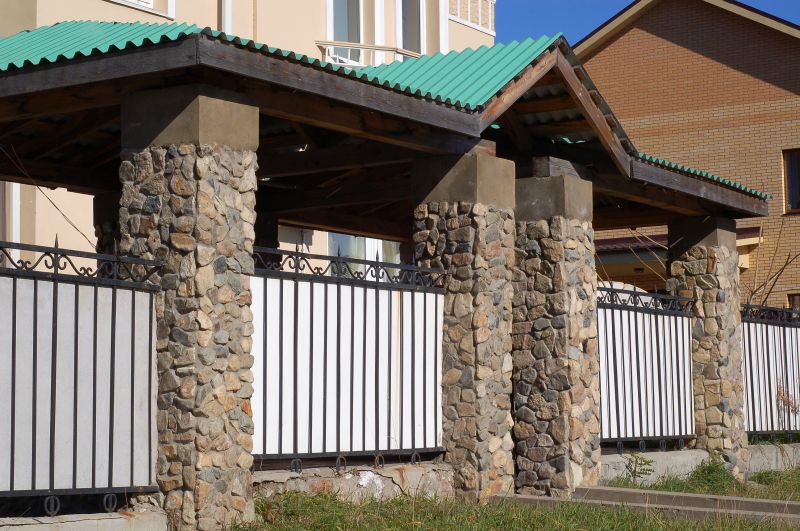
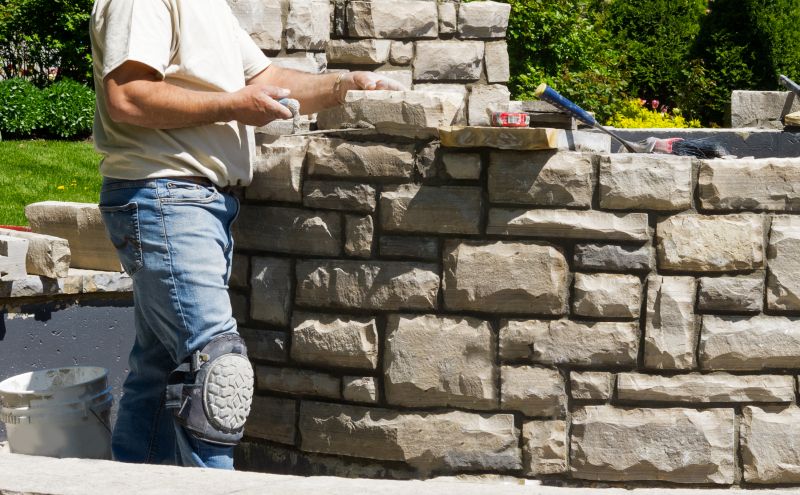
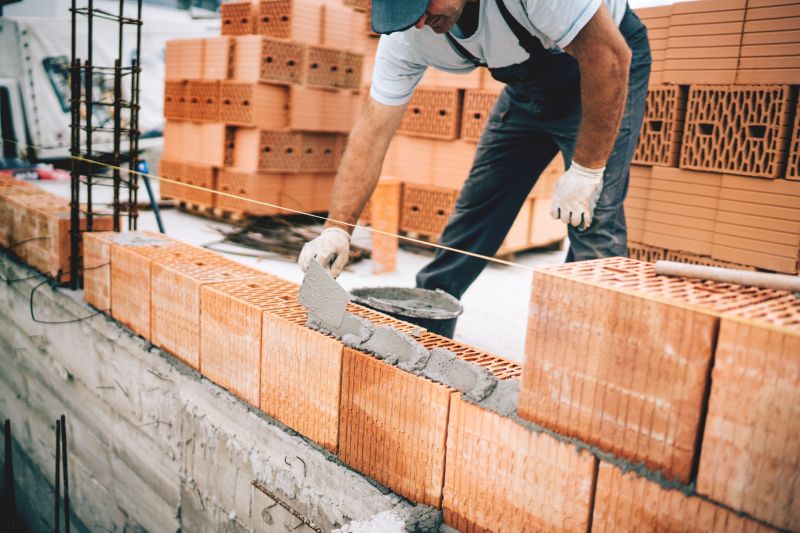
When searching for information about what to expect during a professional masonry installation, homeowners are often looking to understand the overall process involved in constructing or repairing features like walls, fireplaces, patios, or facades. This topic typically relates to plans for enhancing property aesthetics, improving functionality, or addressing structural issues. People may be considering a masonry project to add curb appeal, create outdoor living spaces, or repair existing masonry that has become damaged or deteriorated over time. Understanding what happens during a masonry installation helps homeowners prepare for the work, set realistic expectations, and know how local service providers will handle the project from start to finish.
Masonry installation encompasses a variety of projects that often involve building with materials such as brick, stone, concrete blocks, or stucco. Homeowners might be exploring this topic when planning to add a retaining wall, build a new fireplace, or install decorative facades. It’s also relevant when addressing problems like cracked or crumbling masonry structures, which may require professional repair or replacement. This process is connected to property improvement plans that aim to increase durability, safety, or visual appeal. Local contractors experienced in masonry work can assess the specific needs of a property and recommend suitable materials and techniques to achieve the desired results.
The types of properties that commonly involve masonry installations include residential homes, especially those with traditional or historic architecture, as well as commercial buildings, parks, and public spaces. For homeowners, masonry projects often focus on private residences, such as creating outdoor kitchens, patios, or garden walls. Commercial property owners might seek masonry services for façade upgrades or structural enhancements. In many cases, properties with irregular layouts or those situated on uneven terrain benefit from the stability and aesthetic appeal that masonry work provides. Local masonry service providers are familiar with the unique requirements of different property types and can adapt their approach accordingly.
During a professional masonry installation, homeowners can generally expect a series of steps that involve planning, preparation, and execution. This includes site assessment, material selection, and layout design, followed by the actual construction process where skilled masons carefully lay each brick or stone to ensure stability and visual consistency. The work may also involve surface preparation, such as leveling or excavation, and finishing touches like sealing or cleaning to enhance appearance and longevity. Throughout the process, local pros will manage the technical aspects while keeping the project aligned with the homeowner’s goals. Understanding these stages helps homeowners know what to anticipate and how experienced service providers will handle each phase to deliver a durable and attractive result.
Fireplaces and Chimneys - Installing these features requires masonry skills similar to those used in outdoor structures, including precise bricklaying and mortar work, making local contractors well-suited for the project.
Retaining Walls - Building retaining walls involves planning for soil pressure and proper drainage, which shares planning and structural skills with masonry installation services.
Patios and Walkways - Creating durable, level surfaces with pavers or stone relies on similar site preparation and mortar application techniques used during masonry installation.
Exterior Facades and Cladding - Applying stone or brick veneers to building exteriors requires careful alignment and mortar work, aligning with the skills used in professional masonry projects.
Fire Pits and Outdoor Kitchens - Constructing these outdoor features involves masonry craftsmanship, including bricklaying and mortar mixing, comparable to masonry installation processes.
Structural Columns and Arches - Building these architectural elements demands precision and understanding of load distribution, similar to the techniques employed during masonry installation services.
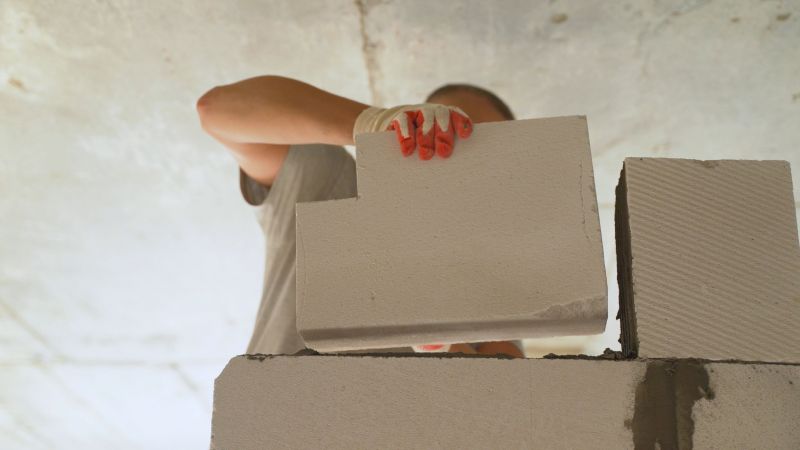
When evaluating potential masonry installation service providers, it’s important to consider their experience with projects similar to what is needed. Contractors with a history of handling comparable types of masonry work are more likely to understand the specific requirements and challenges that may arise during installation. Homeowners should inquire about the types of projects the service providers have completed and seek evidence of their familiarity with the materials and techniques involved. This focus on experience helps ensure that the professional understands the nuances of the work and can deliver results that meet expectations.
Clear, written expectations are a vital part of a smooth masonry installation process. Homeowners should look for service providers who provide detailed estimates and project descriptions that outline the scope of work, materials to be used, and any relevant timelines or milestones. Having this information in writing helps prevent misunderstandings and provides a reference point throughout the project. Good communication about what to expect during a professional masonry installation can also help homeowners feel more confident in the process and foster a collaborative relationship with the contractor.
Reputable references and strong communication skills are key indicators of a reliable service provider. Homeowners are encouraged to ask for references from previous clients who had similar work done and to follow up with those references to learn about their experiences. Additionally, service providers who demonstrate transparency and responsiveness during initial discussions tend to be easier to work with throughout the project. Good communication ensures that any questions or concerns are addressed promptly, and it helps maintain clarity about what to expect during a professional masonry installation, ultimately contributing to a more positive overall experience.
Property owners often search for what to expect during a professional masonry installation when they are planning practical projects around their homes and businesses. Local pros provide Masonry Installation services for everyday jobs and straightforward project options.

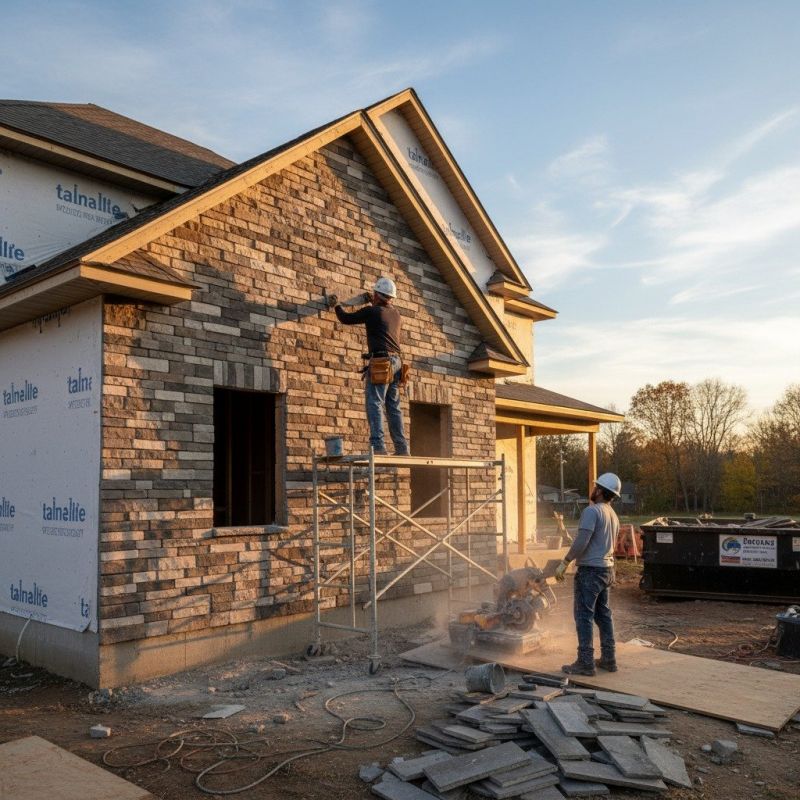
Understanding what to expect during a professional masonry installation can help property owners feel more prepared for their upcoming project. Typically, local contractors will begin by discussing the desired design and scope of work, ensuring that the project aligns with the property’s style and structural needs. During the installation process, it’s common for workers to prepare the site by clearing the area and setting up necessary equipment. As the work progresses, property owners might notice the use of specific tools and materials, and they should expect the masonry to be carefully laid out and built to withstand the elements and daily use.
Throughout the project, communication with local service providers is key to addressing any questions or concerns that arise. Property owners should anticipate some level of disruption, such as noise or restricted access to certain areas, but these are generally temporary. Once the masonry work is complete, a professional contractor will typically clean the site and ensure the finished installation meets the agreed-upon standards. Knowing these common steps and considerations can help property owners better understand the process and choose the right local pros for their masonry needs.
What should I expect during a professional masonry installation? During a masonry installation, local contractors typically prepare the site, lay out the design, and carefully build the structure using durable materials. They ensure proper alignment, bonding, and finishing to achieve a quality result.
How do professionals handle surface preparation and foundation work? Local service providers usually start by clearing and leveling the area, then lay a stable foundation to support the masonry work, ensuring long-lasting durability and stability.
What kind of materials do masonry contractors use during installation? Masonry professionals commonly work with bricks, stone, concrete blocks, and mortar, selecting the appropriate materials based on the project’s purpose and aesthetic preferences.
Will the installation process involve any site cleanup? Yes, after completing the masonry work, local pros typically clean the site, removing debris and excess materials to leave a tidy, finished appearance.
What steps are taken to ensure the finished masonry looks professional? Contractors focus on precise measurements, consistent mortar application, and detailed finishing touches to create a polished and structurally sound result during a professional masonry installation.
Site preparation - Property owners should ensure the area is clear and accessible to facilitate smooth installation by local contractors.
Material selection - Choosing the right type of bricks, stone, or concrete helps achieve desired aesthetics and durability for the project.
Design planning - Discussing layout and style options with local pros helps align the masonry work with the property's overall look.
Understanding process steps - Knowing what to expect during the installation process can help owners prepare for each stage of the project.
If you are thinking about what to expect during a professional masonry installation for a property, this guide is meant to help you understand this topic, the typical project types, and how different options might fit your plans.
When you are ready, you can use the quote form on this page to share a few details about your project. From there, local pros can review the basics and follow up with options that match what you have in mind.